Your Roofer Stopped Answering. Here Is What That Usually Means.
Roofing contractor not responding after the job? Why roofers go quiet in fall, what to put in writing this week, and what to do about the balance you owe.
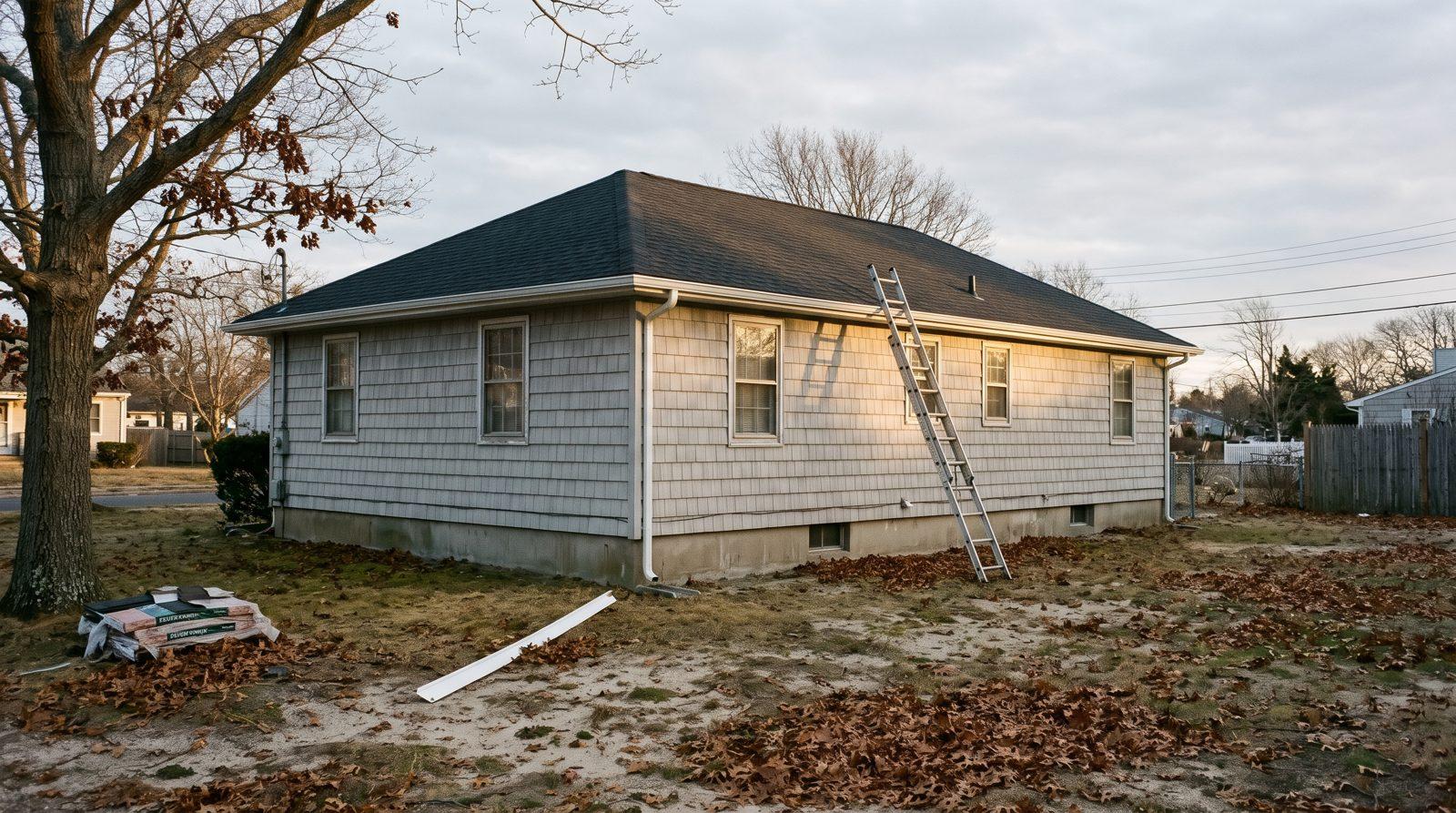
When a roofing contractor is not responding after the job, the most common reason is boring: your house is watertight, yours is one of a long list of calls that day, and October and November are the two months every roofer in Ocean and Monmouth County is racing the weather. That explains the silence. It doesn't excuse it, and if there's a punch list or a balance still open, there are a few things worth doing this week rather than waiting.
Updated November 2026.
We read a thread last month from a homeowner whose roofer finished, left a couple of small items, and then went quiet before he'd even been paid. A hundred-odd replies later, the trade's own answer was the most useful one. Once you're dry, the job drops down the list, because somebody else's tarp is flapping and their ceiling is wet. Nobody forgot you. They decided you could wait. That's the honest version, and it's not flattering to the trade.
Why fall is the worst time to reach a roofer
Shingles need warmth to seal down properly, and once overnight temperatures drop into the 30s the self-seal strips get slow. So everyone tries to get tear-offs done before December, and every crew's calendar is stacked. The office is fielding storm calls, new estimates and leak calls all at once. A two-hour punch list item on a finished job gets pushed to the next dry morning with a free crew, and in November that morning can be a week away.
None of that makes a month of silence acceptable. But it does mean the first move should be the boring one, not a lawyer.
What to do in the first week
Switch from phone calls to writing. A voicemail disappears. A text or email with a date on it does not.
- List what's left, item by item, with a photo of each. "Pipe boot on the back slope not seated," not "a few things."
- Ask for a date, not a promise. "Can you give me a day this week or next to finish these?" is easy to answer and hard to ignore.
- Pull out your contract and find the registration number. In New Jersey a home improvement contractor has to be registered with the Division of Consumer Affairs, and the number belongs on the contract. You can look it up on the state's site in about two minutes.
- Keep the tone flat. You may want this company back for the warranty, and a reasonable written record helps you far more than an angry one.
Most of the time that's the end of it. A clear list with photos is something an office manager can actually schedule, where "call me back" isn't.
What about the money you still owe?
Hold back what the open items are actually worth, not the whole balance. If the job is done apart from a gutter end cap and some trim, refusing to pay the full balance turns a scheduling problem into a payment dispute, and now you're the one who looks unreasonable on paper. Pay the undisputed part, say in writing what you're holding and why, and say you'll release it when the list is done.
If you already paid in full, you have less to bargain with and the same rights. The workmanship side of the job is the contractor's obligation whether the check cleared or not.
When it stops being a scheduling problem
A few signs change the picture: the phone number is disconnected, the office stopped answering everyone, there's an active leak they won't come look at, or the work left undone affects whether the roof is watertight. At that point a certified letter with a deadline, say 10 business days, is reasonable. After that the options in New Jersey are a complaint to the Division of Consumer Affairs and, for smaller amounts, the small claims section of Special Civil Part. We'd rather nobody got there, and most people don't.
If there's a leak, don't wait on any of this. Get it tarped or looked at, photograph everything first, and keep the receipts. The original contractor's warranty still matters, but your ceiling doesn't care whose turn it is.
What should have been in writing before the job
The contract should list the scope, the start and completion dates, and the price, and New Jersey home improvement law expects a written contract with a three-business-day window to cancel. Any change during the job should be a written change order. If yours has none of that, it doesn't mean you're out of luck, but it's the first thing we'd fix next time. We cover what a sound contract and a sound contractor look like in how to hire a roofing contractor in NJ, and the check to do while the crew is still on site in the roof final walkthrough.
And if you've been left with a roof and no one to answer for it, send us photos of what's open. We'll tell you plainly whether it's a small finish item or something that needs attention before the next nor'easter, and if it's ours to fix, our roof repair visits are built for exactly that kind of loose end.
Frequently Asked Questions
Should I hold back the final payment until the roofer comes back?
Hold back what the unfinished items are worth, not the whole balance. Pay the undisputed part, put in writing what you are holding and why, and say it will be released when the list is done. Withholding everything over a small item turns a scheduling delay into a payment dispute.
Why do roofers stop answering in October and November?
Every crew is trying to get tear-offs done before cold weather slows shingle sealing, so calendars are packed and leak calls jump the queue. A finished, watertight house drops down the list. That explains a slow reply, but a written list with photos and a request for a date usually gets one.
When should I file a complaint instead of waiting?
When the number is disconnected, the office has stopped answering, there is a leak they will not look at, or the open work affects whether the roof keeps water out. Send a certified letter with a deadline first. After that, New Jersey homeowners can complain to the Division of Consumer Affairs, which registers home improvement contractors.